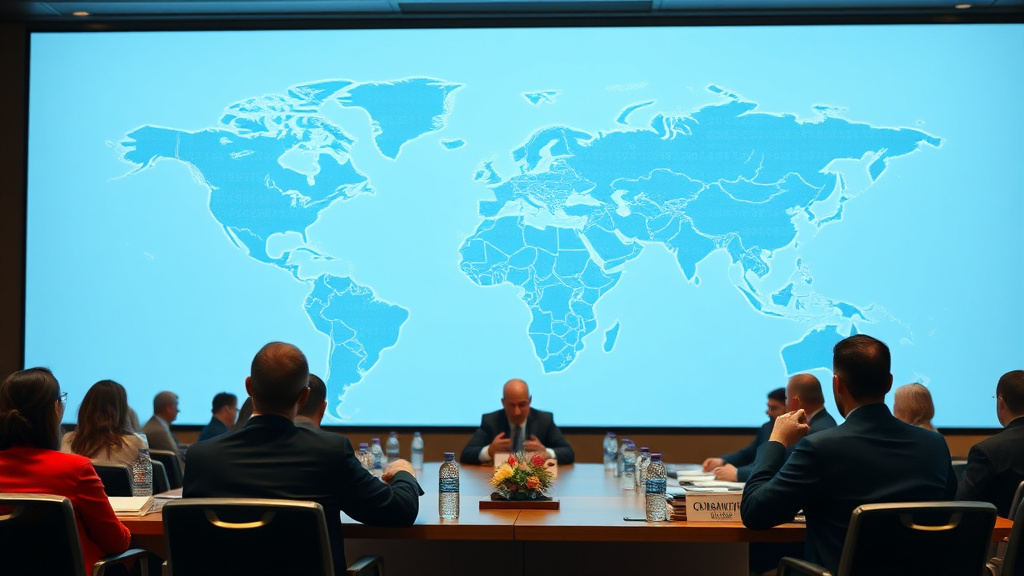

After extended periods of in-depth talks spanning multiple continents, world leaders have achieved a pivotal breakthrough in establishing a comprehensive multilateral trading pact. This historic achievement stands to revolutionize international trade by lowering trade barriers, aligning regulatory frameworks, and fostering economic cooperation among signatory states. As geopolitical tensions threaten to fragment global trade systems, this landmark moment represents a rare moment of consensus. Discover how this agreement resolves controversial points, which players drove the initiative, and what implications it holds for firms and buyers around the world.
Key Developments in Commercial Discussions
The delegations have successfully resolved several controversial topics that had hindered progress, including farm subsidies, patent and trademark safeguards, and online commerce rules. Representatives from more than 150 countries gathered in Geneva recently to develop protocols addressing these critical sectors. The progress occurred after intensive bilateral discussions and calculated concessions from leading economies, demonstrating unprecedented commitment to multilateral cooperation. This cooperative strategy has renewed hope among participating delegations and observers who foresaw further deadlock.
Substantial agreements were struck regarding tariff reduction schedules, with developed nations accepting faster implementation schedules for market entry in developing nations. Environmental and labor standards have been enhanced through enforceable obligations, responding to issues from civil society organizations. The agreement includes advanced dispute settlement systems created to forestall upcoming trade disagreements and maintain enforcement. These advances demonstrate a middle-ground strategy that protects vulnerable industries while promoting fair competition and environmentally responsible expansion across all member states.
Framework and Key Objectives
The multilateral agreement creates a detailed system intended to support frictionless trading across member nations while addressing current economic issues. Key aims include lowering trade tariffs by an average of 15-20%, aligning technical requirements, and developing open settlement procedures. The agreement emphasizes environmental responsibility, digital commerce modernization, and supply chain stability. By creating defined procedures and binding obligations, negotiators aimed to ensure stability in international trade while safeguarding at-risk sectors through phased rollout schedules and adjustment assistance programs.
Economic Effects Evaluation
Economic modeling indicates the agreement could expand global GDP by 2-3% over the next decade, with developing nations potentially experiencing higher growth rates. Initial assessments indicate significant expansion opportunities in tech, farming, and industrial production sectors. Trade volume projections project a 25% increase in international trade flows among member countries. However, certain traditional industries face transition challenges requiring employee skill development and infrastructure modernization investments to remain competitive in the open market environment.
Sectoral impacts vary considerably across economies and regions. Export-dependent nations project considerable revenue increases, while import-competing industries voice concerns about market penetration. Financial services, telecommunications, and renewable energy sectors emerge as primary beneficiaries. Consumer goods prices are projected to fall due to lower trade barriers and increased competition. Regional disparities in execution capacity necessitate targeted development assistance and technical support programs to ensure equitable benefits distribution across participating nations.
Stakeholder Positions and Key Issues
Labor unions voice concerns regarding likely workforce reductions in agricultural and manufacturing sectors, demanding comprehensive transition support programs and pay safeguard mechanisms. Environmental advocates endorse sustainability provisions but call for more rigorous enforcement mechanisms and climate pledges. Agricultural lobbies express mixed reactions—large exporters celebrate market access improvements while small farmers express concern about competition from foreign producers receiving subsidies. Pharmaceutical and technology companies support intellectual property safeguards, whereas developing nations call for affordable medicine and knowledge-sharing provisions supporting their populations.
Smaller and midsize enterprises express concerns about compliance costs and intricate compliance requirements, requesting capacity-building support and simplified procedures. Consumer advocacy groups welcome cost reduction prospects but demand safety and quality standard maintenance. Developing nations stress knowledge transfer provisions and financial assistance for infrastructure development. Labor unions internationally demand employment standard enforcement preventing wage competition races. Government officials balance internal political pressures against international commitments, pursuing implementation flexibility while preserving agreement integrity and sustained partnership viability.
Upcoming Implications and Next Steps
The multi-party agreement sets up a strong framework for sustained economic partnership, with member countries committing to staged rollout over the next five years. This timeframe allows enterprises proper readiness while ensuring compliance with fresh regulations. Economists project significant GDP growth across signatory nations, with notable gains for small and medium-sized enterprises obtaining increased trade openings. The agreement also introduces dispute resolution mechanisms to handle possible disputes, reinforcing the groundwork for enduring market stability and consistency in international commerce.
Looking ahead, negotiators have planned quarterly review meetings to track implementation advancement and tackle new obstacles. Future discussions will focus on broadening the agreement’s reach to encompass digital commerce and sustainable development provisions. Countries are also investigating complementary bilateral deals to strengthen particular trade partnerships. This cooperative strategy demonstrates a dedication to ongoing enhancement, making certain the framework progresses in step with international economic developments and technological innovation while maintaining the agreement reached in these vital talks.
