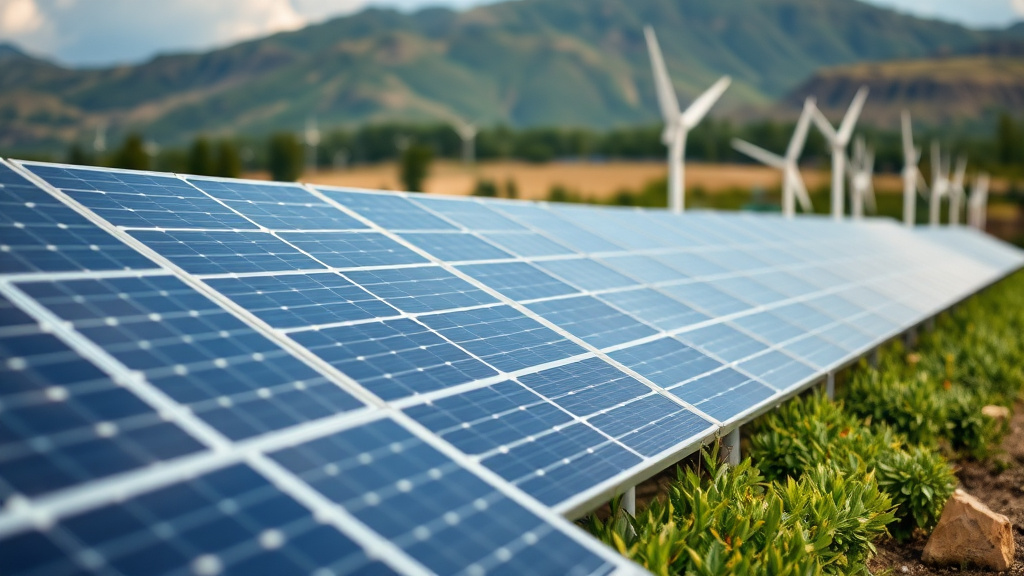

As global warming accelerates, renewable energy technologies stand as humanity’s strongest weapon against rising carbon emissions. From solar panels and wind turbines to advanced battery systems, innovative solutions are substantially reshaping how we produce and use power globally. This article explores innovative clean energy solutions transforming the energy landscape, examines their quantifiable effects on global carbon reduction, and demonstrates how ongoing technological advancement promises a sustainable future for future generations.
Solar Power Progress
Solar power constitutes one of the most transformative renewable energy technologies of our time, with dramatic improvements in efficiency and affordability reshaping global energy production. Over the past decade, solar installations have increased exponentially, driven by innovation advances that make solar systems increasingly available and cost-effective for residential, commercial, and industrial-scale applications globally. These advancements directly contribute significant reductions in fossil fuel dependency and related climate pollution.
The rapid expansion of solar technology illustrates remarkable progress in harnessing the sun’s abundant energy. Modern solar systems now change sunlight to electrical energy with unprecedented efficiency rates, while fabrication costs have declined by over seventy percent since 2010. This mix of improved performance and reduced expenses has sparked a international transition toward solar adoption, enabling millions of households and businesses to switch to renewable power while at the same time bolstering power self-sufficiency.
Photovoltaic Cell Efficiency
Photovoltaic cell effectiveness has become a critical metric advancing solar technology advancement and market competition. Contemporary mainstream solar installations reach energy conversion efficiency exceeding twenty percent, with research prototypes showcasing capabilities over forty percent through advanced multi-junction configurations. These advances originate from cutting-edge material science, improved light-capture systems, and streamlined production methods that optimize the transformation of sunlight into usable electrical energy for residential and commercial applications.
Emerging technologies like perovskite and tandem solar cells offer even greater output increases in the years ahead. Researchers worldwide are creating hybrid photovoltaic systems merging different semiconductor materials to collect broader wavelength coverage. These innovations not only boost electricity generation per square meter but also reduce the land area needed for solar farms, tackling environmental concerns while significantly reducing the levelized cost of solar-generated electricity compared to traditional conventional energy sources.
Solar Thermal Systems
Solar thermal systems serve as a supplementary method to photovoltaic technology, collecting the sun’s heat energy for immediate use in heating water, residential heating, and manufacturing operations. These systems operate with exceptional efficiency rates, often exceeding eighty percent, positioning them as financially viable for domestic and business applications globally. Solar thermal technology substantially decreases dependence on natural gas and electricity for thermal requirements, playing a substantial role to overall carbon emission reductions across multiple sectors.
Solar concentration systems represent the forefront of heat-based energy technology, using mirrors and lenses to focus sunlight and generate extreme temperatures for electricity production. Advanced thermal storage solutions allow these systems to generate power even after sunset, delivering reliable baseload energy on par with traditional energy facilities. Integration of solar thermal systems with existing building infrastructure and manufacturing operations demonstrates significant opportunity for decarbonizing heat-intensive sectors while sustaining steady power delivery across different weather patterns.
Wind Power Advancement
Wind energy has become one of the fastest-growing renewable energy sources globally, supported by continuous technological advancements and decreasing prices. Modern wind turbines convert kinetic energy from wind into electricity with unprecedented efficiency, making wind power more competitive with fossil fuels. As progress speeds up, wind energy installations remain in expansion across different regions worldwide, significantly reducing dependence on carbon-intensive energy sources and playing a major role in global emissions reduction targets.
The wind energy sector’s swift development shows how advances in technology produces environmental gains. Enhanced turbine designs, superior material composition, and strategic placement optimization maximize energy capture while reducing ecological effects. Investment in wind technology research and development keeps reducing expenses, increasing access to clean energy to countries with developing economies. This democratization of clean energy technology amplifies wind’s role in reaching global emissions reduction targets and building lasting energy autonomy for communities globally.
Offshore Wind Farms
Offshore wind farms embody a pioneering advancement in clean energy production, leveraging strong marine breezes that consistently blow stronger than land-based alternatives. These installations employ expansive ocean areas without competing for valuable terrestrial real estate, making them ideal for heavily urbanized areas. Offshore platforms generate substantially more electricity per turbine compared to terrestrial alternatives, substantially boosting energy output and expediting the movement toward cleaner sources while addressing rising worldwide power needs effectively.
Modern breakthroughs have made offshore wind progressively practical and financially compelling, despite foundational implementation hurdles. Floating turbine technology allows positioning in deeper waters once deemed unreachable, broadening possible construction areas dramatically. Sophisticated ocean engineering approaches address challenging aquatic circumstances, maintaining turbine longevity and performance. As offshore wind installations increases internationally, these facilities make meaningful contributions to greenhouse gas reduction while providing stable, predictable energy generation that strengthens grid resilience and advances sustained development targets.
Turbine Technology Evolution
Modern wind turbine technology has undergone significant advancement, with turbine materials and blade engineering progressively developing to achieve peak energy capture. Modern installations incorporate advanced aerodynamic engineering, high-strength composite components, and sophisticated management technology that enhance efficiency across fluctuating wind patterns. Higher-capacity installations, now surpassing 15 megawatts, generate unprecedented electricity volumes from single installations. These technological enhancements directly reduce the quantity of turbines required, minimizing environmental footprint while maximizing renewable energy production and significantly speeding up carbon neutrality progress.
AI and machine learning constitutes the most recent development in turbine technology, facilitating preventive upkeep and immediate efficiency enhancement. Smart sensors continuously monitor turbine health, reducing downtime and increasing working duration significantly. Next-generation materials development produces enhanced yet reduced-weight materials that improve performance and durability in harsh operational settings. These innovations jointly strengthen the economic feasibility of wind power and sustainability metrics, making wind power an increasingly attractive solution for nations dedicated to reaching stringent decarbonization objectives while sustaining dependable energy provision.
Cutting-Edge Innovations and Future Impact
Cutting-edge renewable technologies are set to revolutionize global energy systems. Advanced solar cells, offshore wind installations, and sustainable hydrogen generation represent the forefront of innovation. These new technologies promise substantially increased efficiency rates and lower production costs. AI and ML systems enhance power grid efficiency, minimizing losses while improving renewable resource utilization. R&D funding continues accelerating breakthroughs that will make clean energy more widely available and cost-effective worldwide.
The long-term influence of clean energy advancement goes well past carbon reduction. Emerging economies achieve energy independence, creating business prospects and decreasing dependence on imported fossil fuels. Intelligent grid systems enables smooth incorporation of multiple renewable sources, ensuring dependable electricity delivery. Battery storage advances address intermittency challenges, converting renewable energy into a stable and reliable source. By 2050, experts project renewable energy could supply eighty percent of global electricity, significantly transforming our planet’s environmental trajectory and securing lasting economic wellbeing for generations to come.
